Your Role as a High Ranking Student
Why it Matters More than you Think
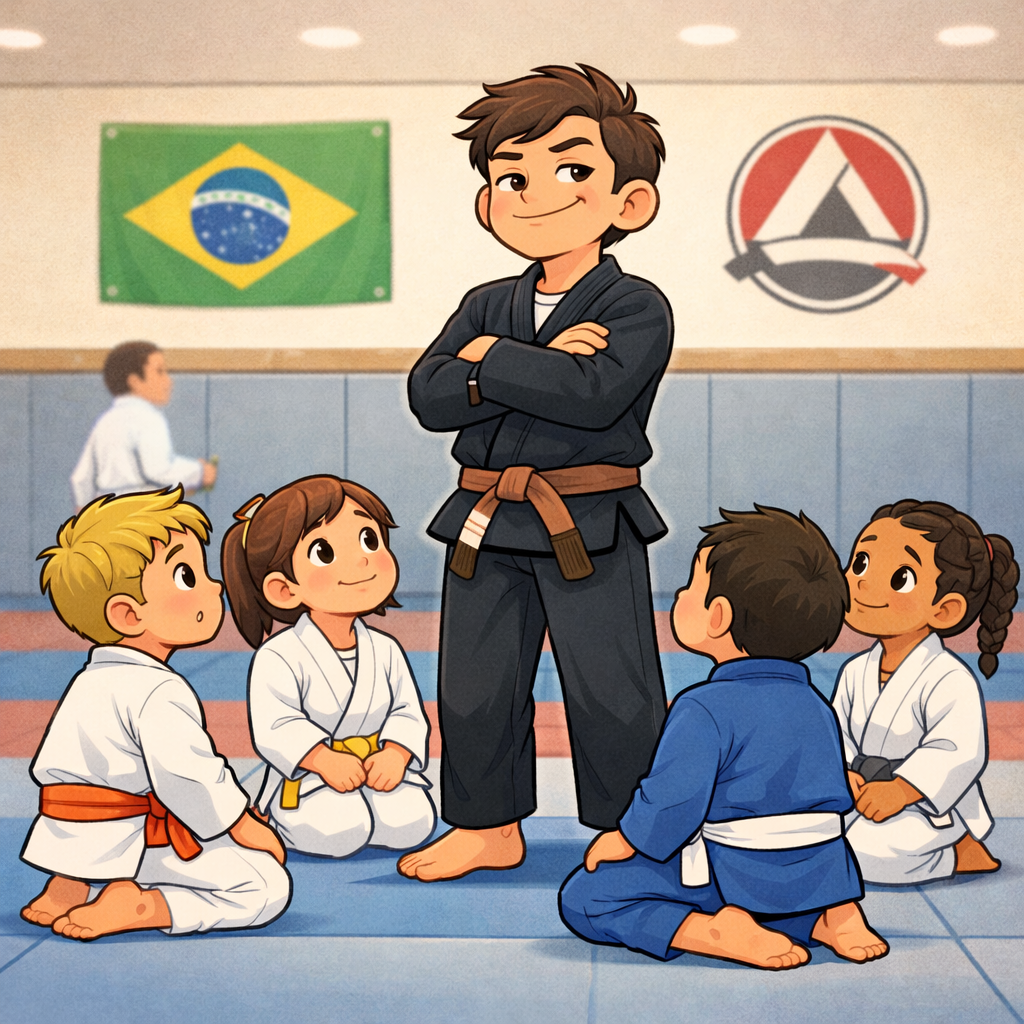
In every class, the higher-ranking students quietly set the tone—whether they realize it or not. Kids don’t just learn from instructors; they learn by watching the students a few steps ahead of them. How they line up, how they treat teammates, how they win (and lose), and how they respond to struggle all send powerful messages. Being a higher belt isn’t about being “better than” others—it’s about being better for others.
When higher-ranking students help newer teammates, something special happens. Confidence grows on both sides. The newer student feels supported instead of intimidated, and the advanced student deepens their own understanding by teaching. Helping doesn’t mean going easy or lowering standards—it means lifting others up while still training with purpose. This is where leadership is built: through patience, encouragement, and the ability to remember what it felt like to be the beginner on day one.
One of the biggest challenges we see is when a student starts to believe they’re “too good” for their class or dojo. That mindset can sneak in quietly, especially as kids rack up stripes, belts, and wins. But real growth in martial arts comes from humility. Every great black belt once trained with people below them—and they didn’t quit when things felt less challenging. They learned to find value in refining basics, being a role model, and pushing themselves internally rather than comparing themselves externally.
Imagine if, when your child first stepped onto the mats, every student with a higher rank had already left because they thought they were “too good” to train with beginners. No friendly faces to look up to. No one to demonstrate what progress looks like. No helping hands, encouragement, or proof that sticking with it actually works. The truth is, higher-ranking students are a huge part of what makes a dojo feel welcoming, inspiring, and strong. When they stay, lead with humility, and help others grow, they don’t just build better teammates—they help build the kind of community where everyone, including them, continues to learn, improve, and belong.
For parents, this is an important life lesson that goes far beyond the mats. The goal isn’t just skill—it’s character. We want our higher-ranking students to be confident and modest, skilled and kind, strong and grounded. Staying committed, helping others, and leading by example teaches perseverance, respect, and leadership—qualities that last far longer than any belt color. In the end, the students who grow the most are the ones who learn that true greatness isn’t about standing above others… it’s about standing with them.