Our Blog
Discover valuable insights and guidance for your journey. Delve into the world of martial arts, Brazilian Jiu Jitsu, fitness, self-defense, and all the related aspects that come with it.
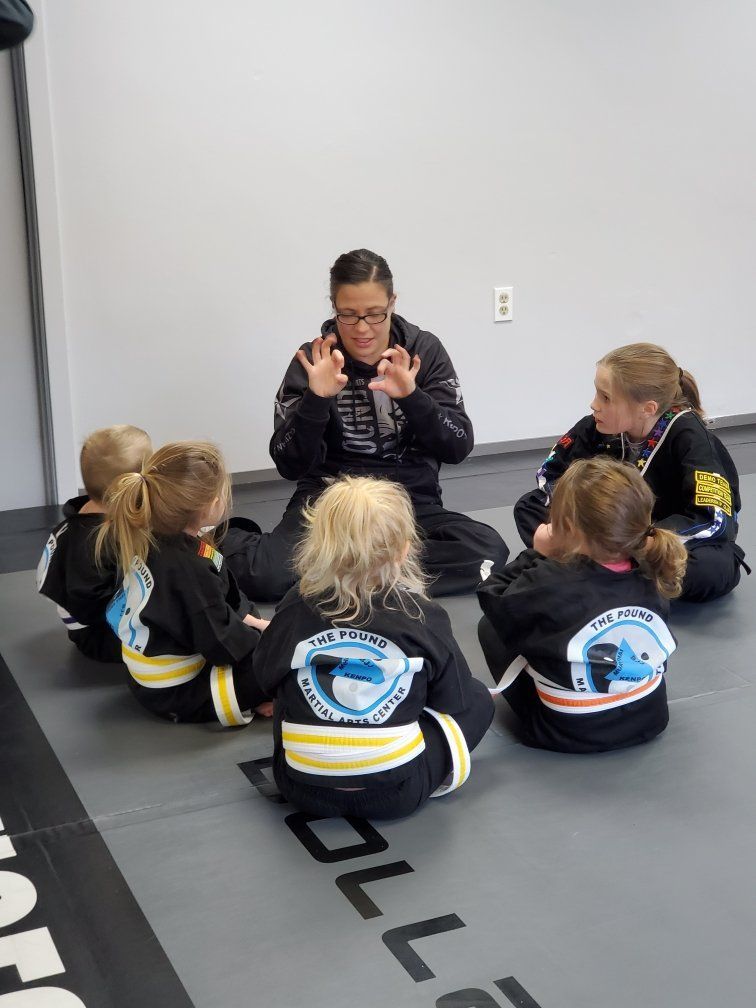
Kids Martial Arts (3-12)

Kids Brazilian Jiu Jitsu (4-12)
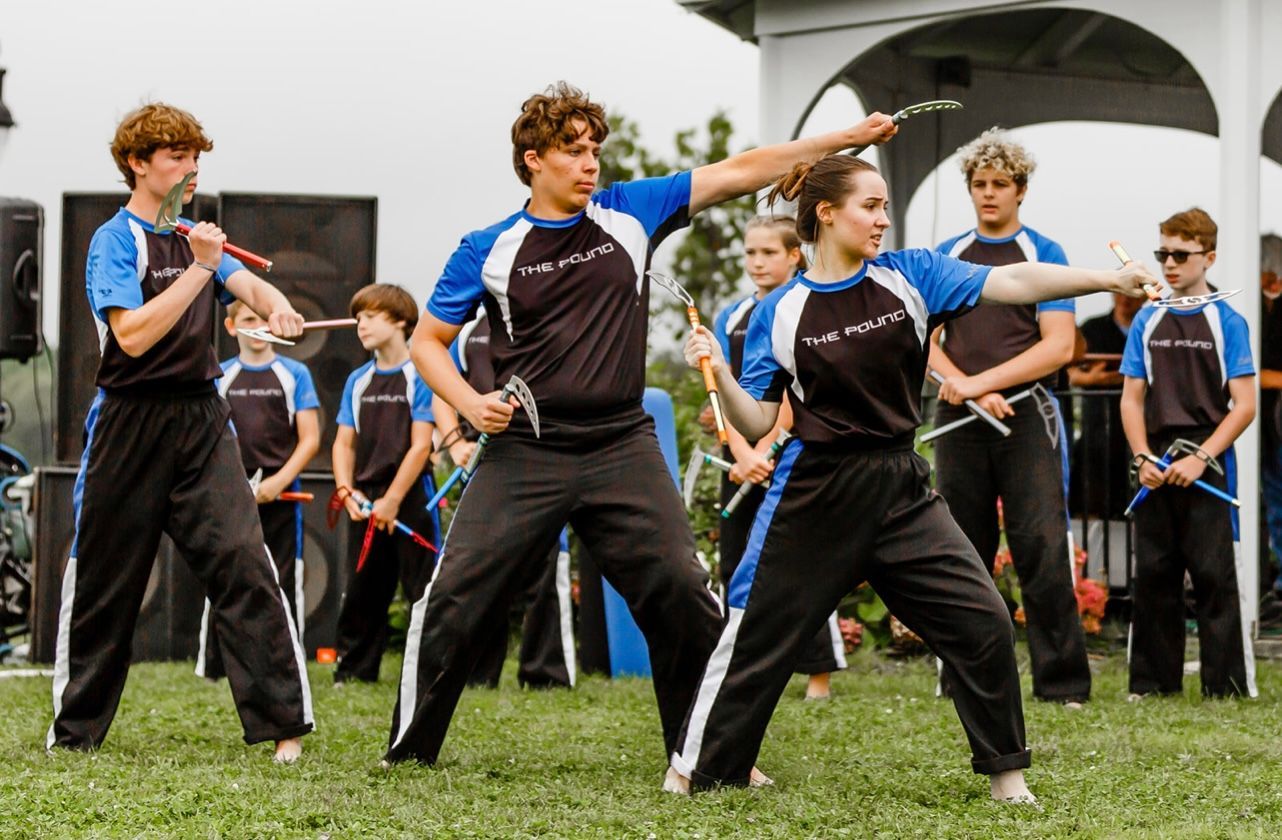
Teen Martial Arts (13-14)
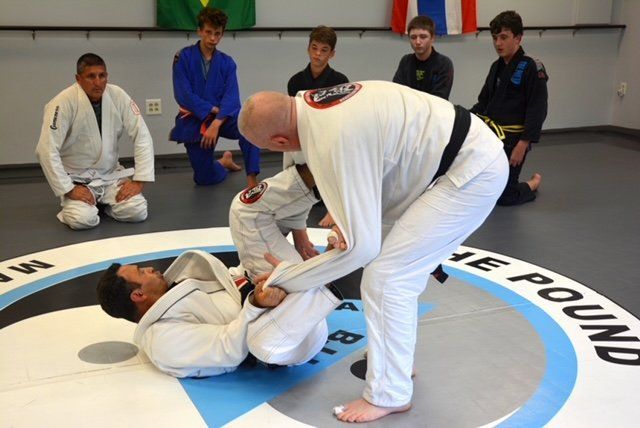
Adult Brazilian Jiu Jitsu (15+)
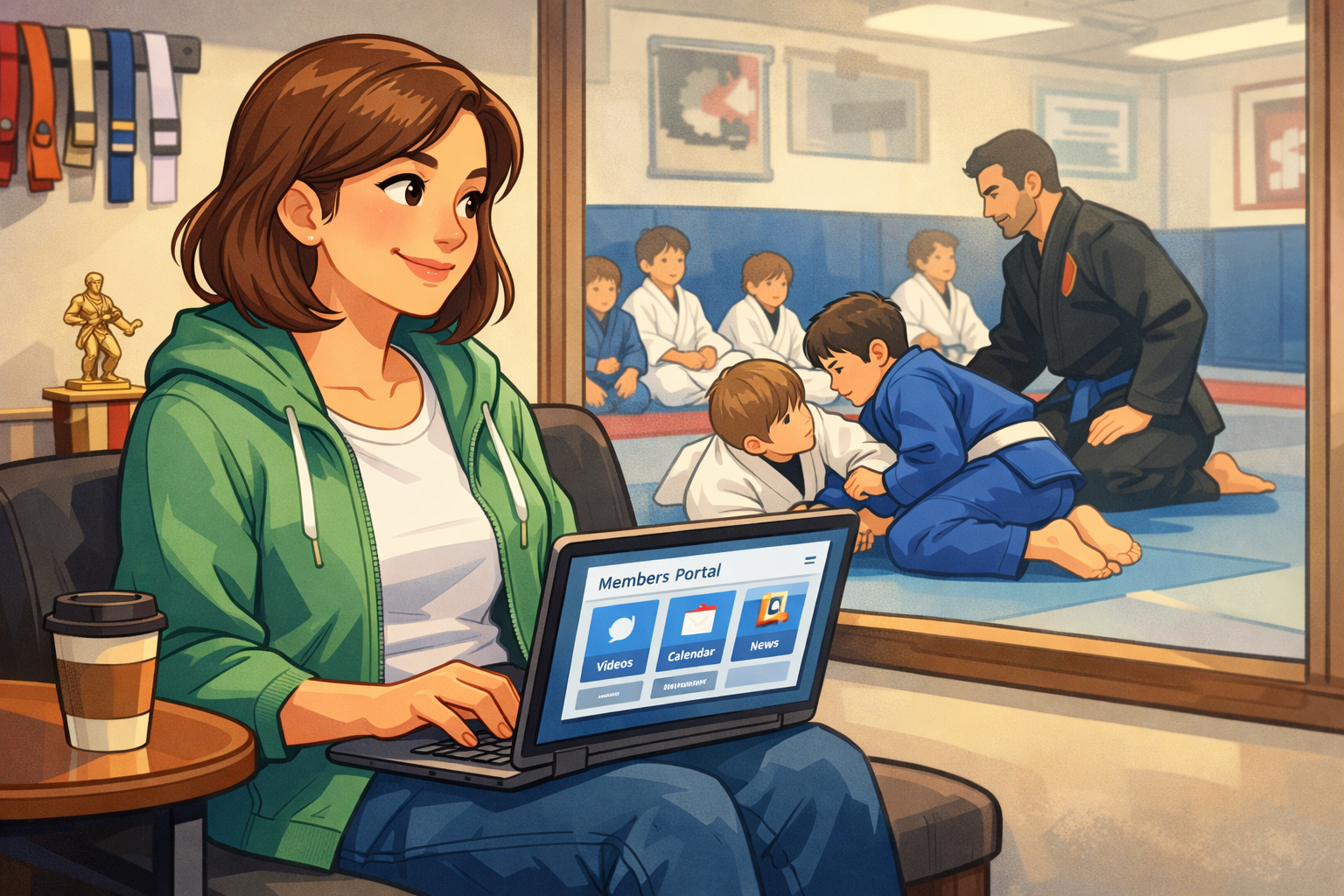
Learn why staying informed matters at The Pound—members portal, Facebook group, winter updates, programs, and how parents support student success.
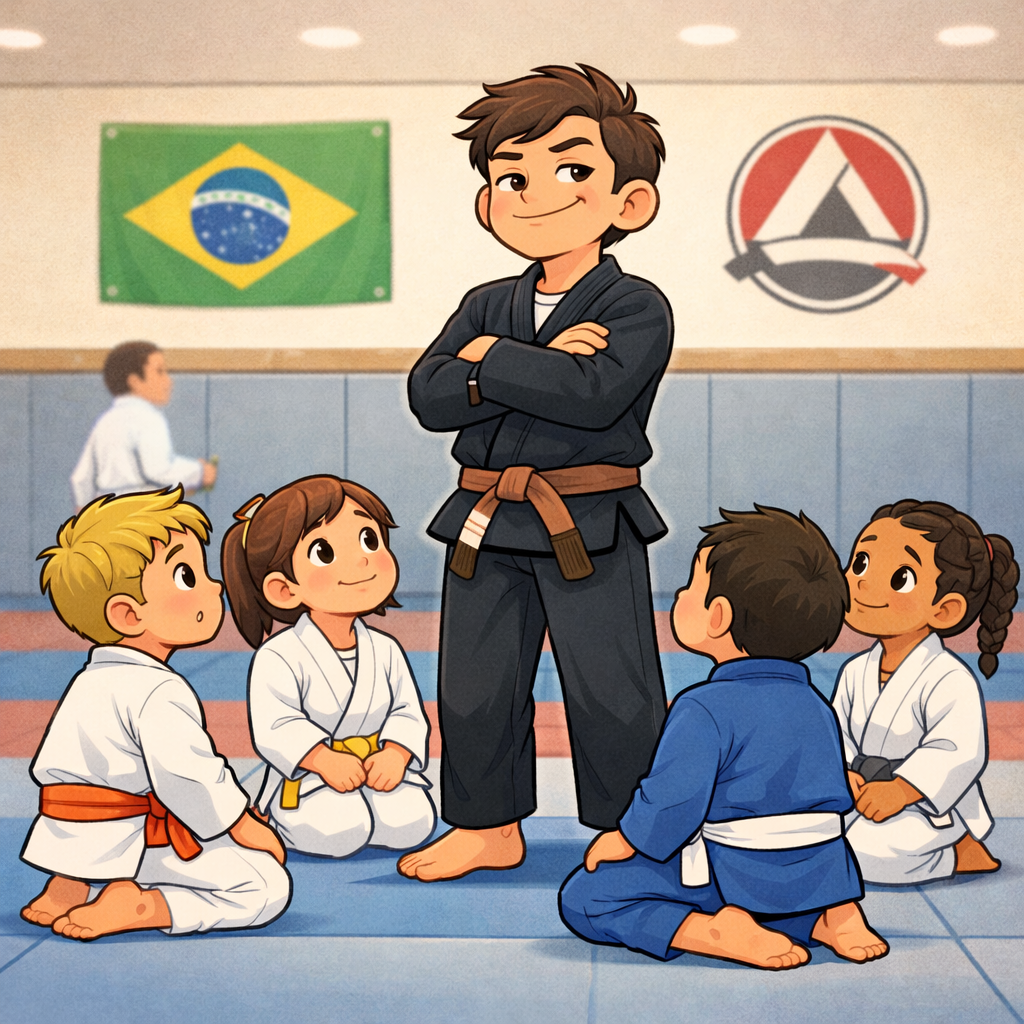
Why higher-ranking BJJ students play a critical role in leadership, humility, and growth—and why staying to help others builds stronger kids.
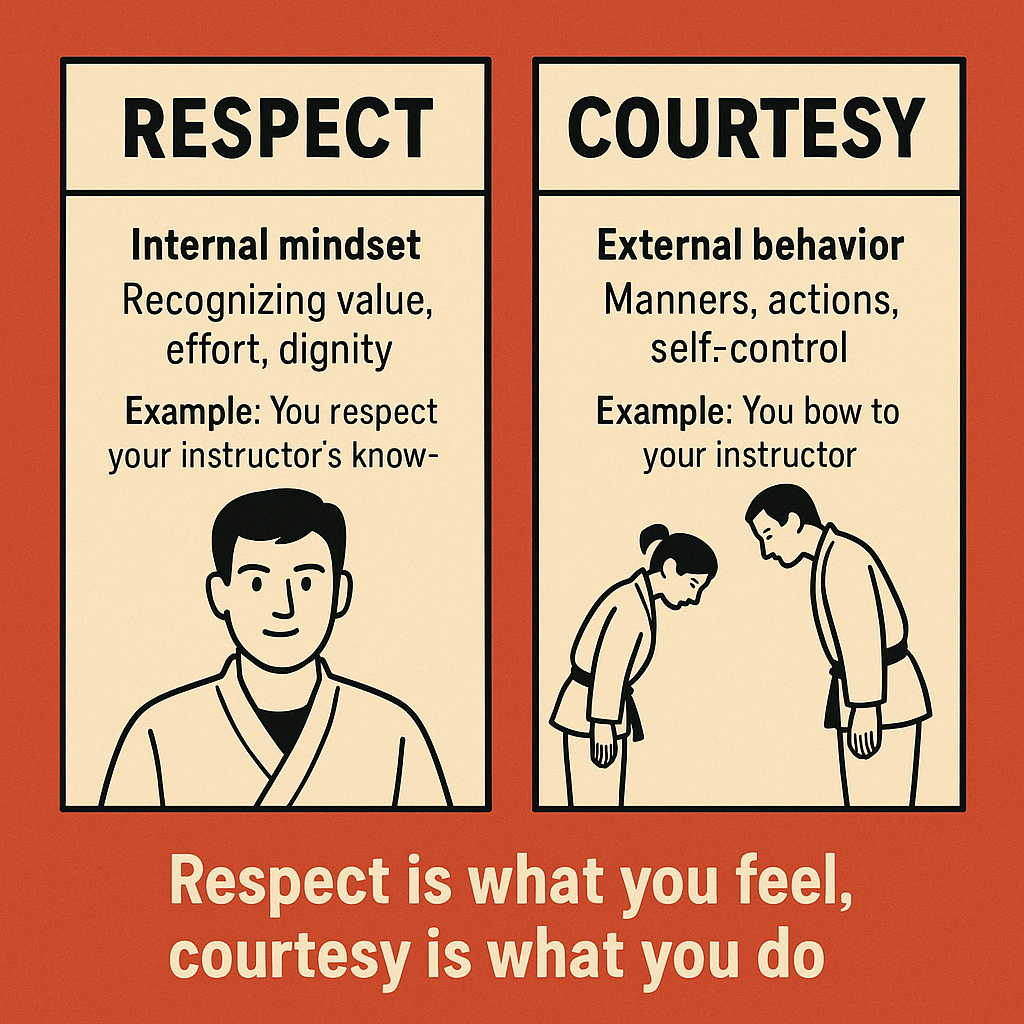
Respect and courtesy are words we hear all the time, but many people use them as if they mean the same thing. In reality, they work together—but they are different. Understanding the difference helps young adults build stronger relationships, become better leaders, and carry themselves with confidence both on and off the mat. Respect is an internal mindset. It’s about recognizing the value, effort, and dignity of others—and yourself. Respect grows through understanding, experience, and character. You might respect a coach for their knowledge, a teammate for their work ethic, or a classmate for their perseverance. Respect isn’t about agreeing with everyone; it’s about acknowledging their worth even when opinions differ. Courtesy , on the other hand, is external behavior. It’s how respect shows up in your actions. Courtesy includes manners, tone of voice, body language, and self-control. Saying “yes sir,” holding the door, listening without interrupting, and bowing on the mat are all examples of courtesy. Courtesy can be practiced even when emotions are high—and that’s what makes it powerful. The key difference is this: respect is what you feel and believe; courtesy is what you do . A young adult might not fully respect a new instructor yet, but they can still show courtesy by paying attention and following directions. Over time, consistent courtesy often leads to genuine respect. In martial arts—and in life—this is why behavior comes first. Actions shape mindset. Youth and adults can practice both respect and courtesy every day. Youth can show courtesy by listening, using respectful language, and being a good training partner; they build respect by appreciating others’ effort and learning from correction. Adults practice courtesy by staying calm, being punctual, and leading by example; they demonstrate respect by valuing others’ time, boundaries, and growth. When respect and courtesy work together, they create trust, discipline, and strong character—skills that last far beyond the dojo.
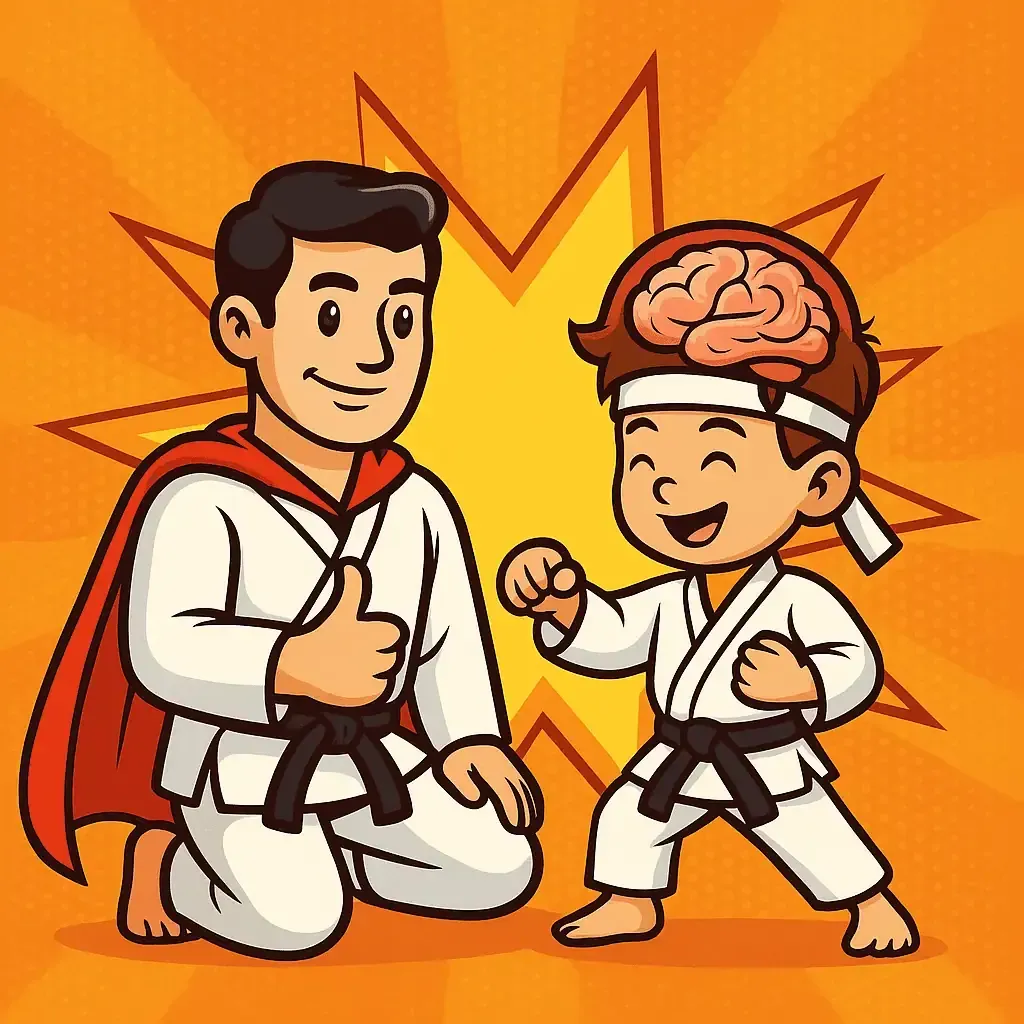
Discover how SKILLZ uses neuroscience to boost children’s focus, confidence, and emotional growth through age-specific martial arts training.
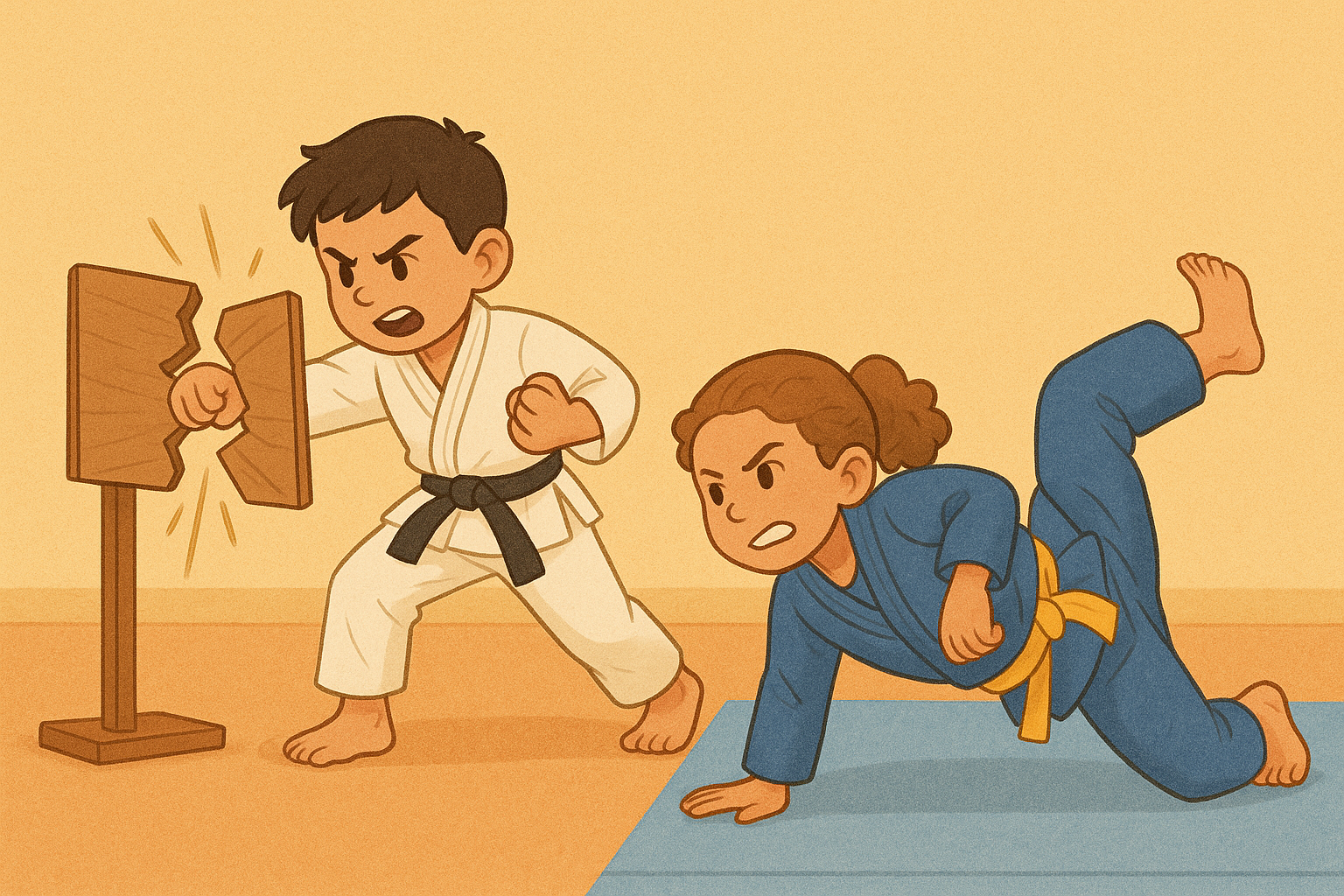
In martial arts, two skills quietly shape every punch, kick, sweep, and transition: accuracy and precision . Accuracy is the ability to hit the right target or execute the correct technique. Precision is the ability to repeat that action the same way every time. When students learn how these two skills work together, their Karate and Brazilian Jiu-Jitsu training becomes sharper, safer, and more effective. You can see accuracy when a Karate student practices a front kick and aims exactly for the center of a target pad instead of just “kicking somewhere.” You can see it in Brazilian Jiu-Jitsu when a student places their grip in the correct spot on a sleeve or collar during a sweep. Accuracy is about doing the right move, at the right time, in the right place — even if it isn’t perfect yet. Precision , however, is all about consistency. It’s what allows a student to perform the same kick with the same chamber, balance, and landing again and again. In BJJ, it might mean repeating a hip escape until the angle, movement, and timing become second nature. Precision builds muscle memory so students can trust their bodies during fast-paced drills, sparring, and rolling. Accuracy and precision work best when students combine them. A Karate student learning a new kata needs accuracy to place each stance correctly, and precision to perform those stances the same way every time. A young BJJ student learning an armbar needs accuracy to position their legs and hips correctly, and precision to recreate that alignment during practice and live training. When both skills develop together, technique becomes smoother, cleaner, and more powerful. Here are a few simple goals your child can try this week: Karate Goal: “I will hit the center of the target pad 8 out of 10 times with my round kick.” BJJ Goal: “I will practice my hip escape 20 times, making each movement identical and controlled.” These small goals help students understand that accuracy and precision aren’t just techniques — they’re habits that make them better martial artists in every class.
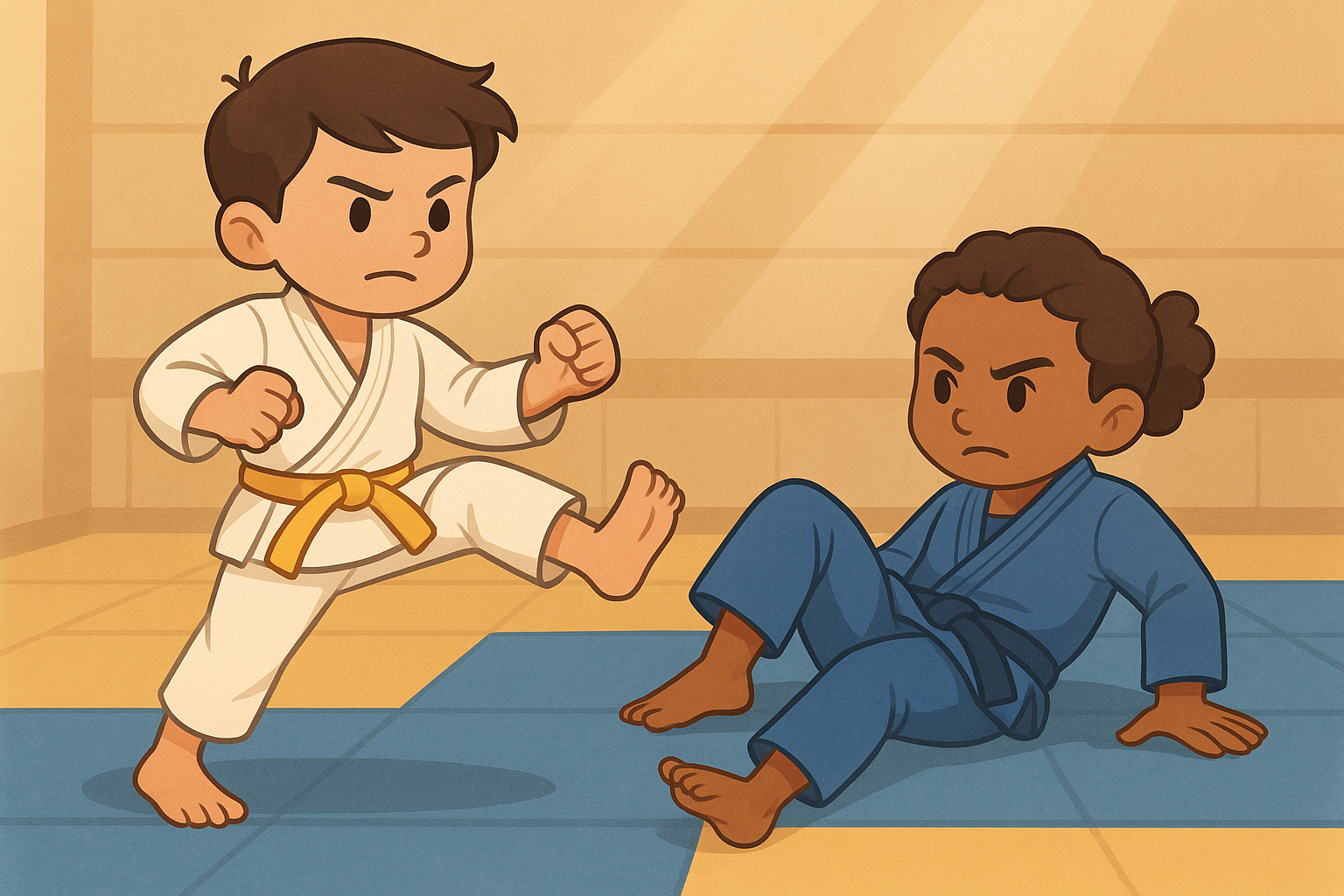
Determination and perseverance help young martial artists succeed. Learn how Karate and BJJ teach kids to push through challenges and achieve their goals.
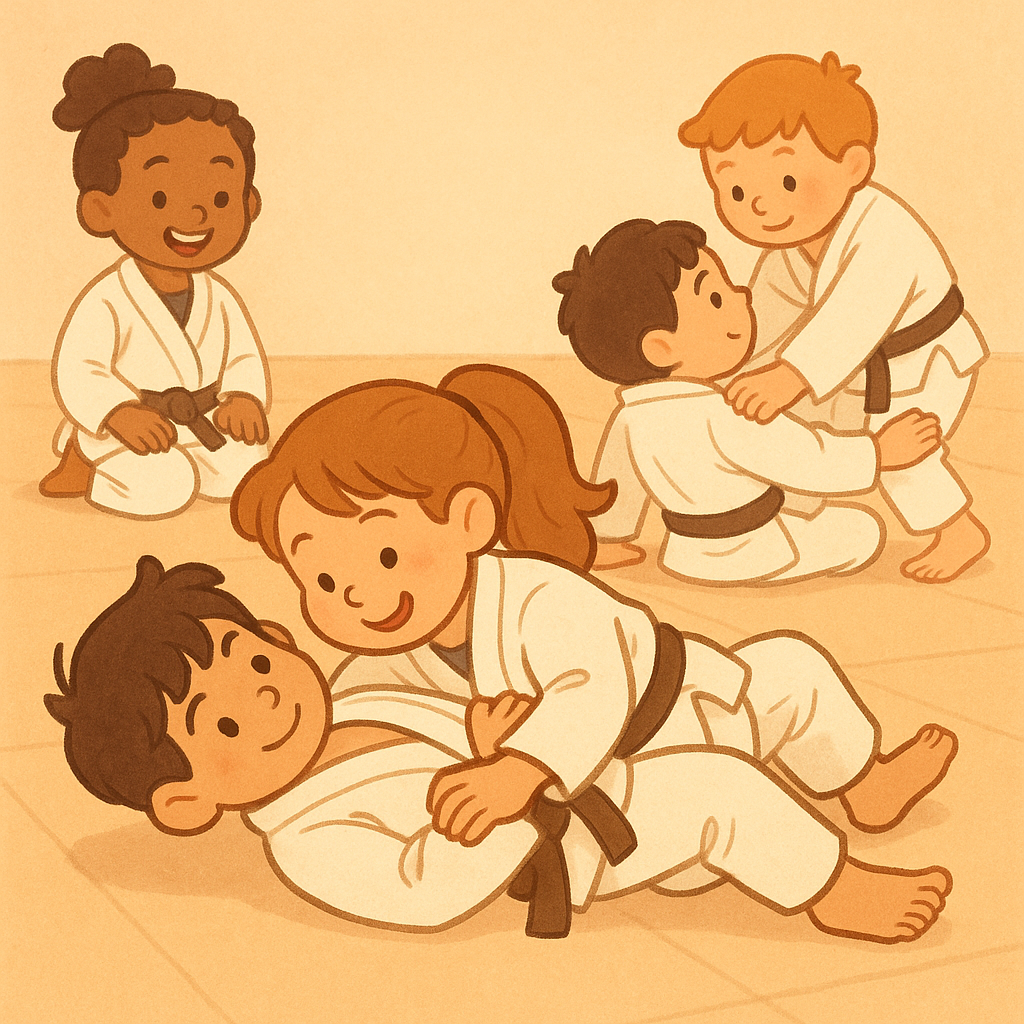
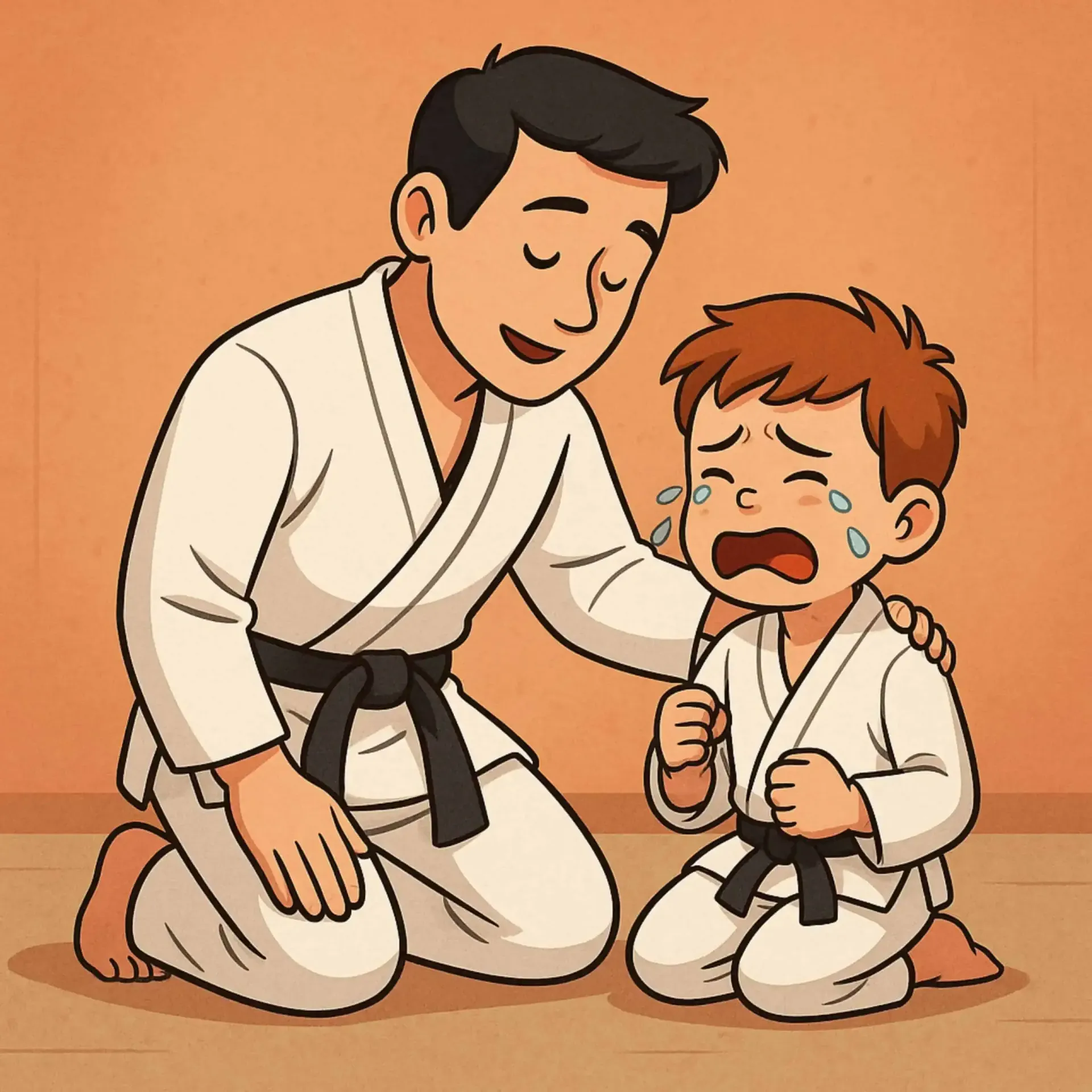
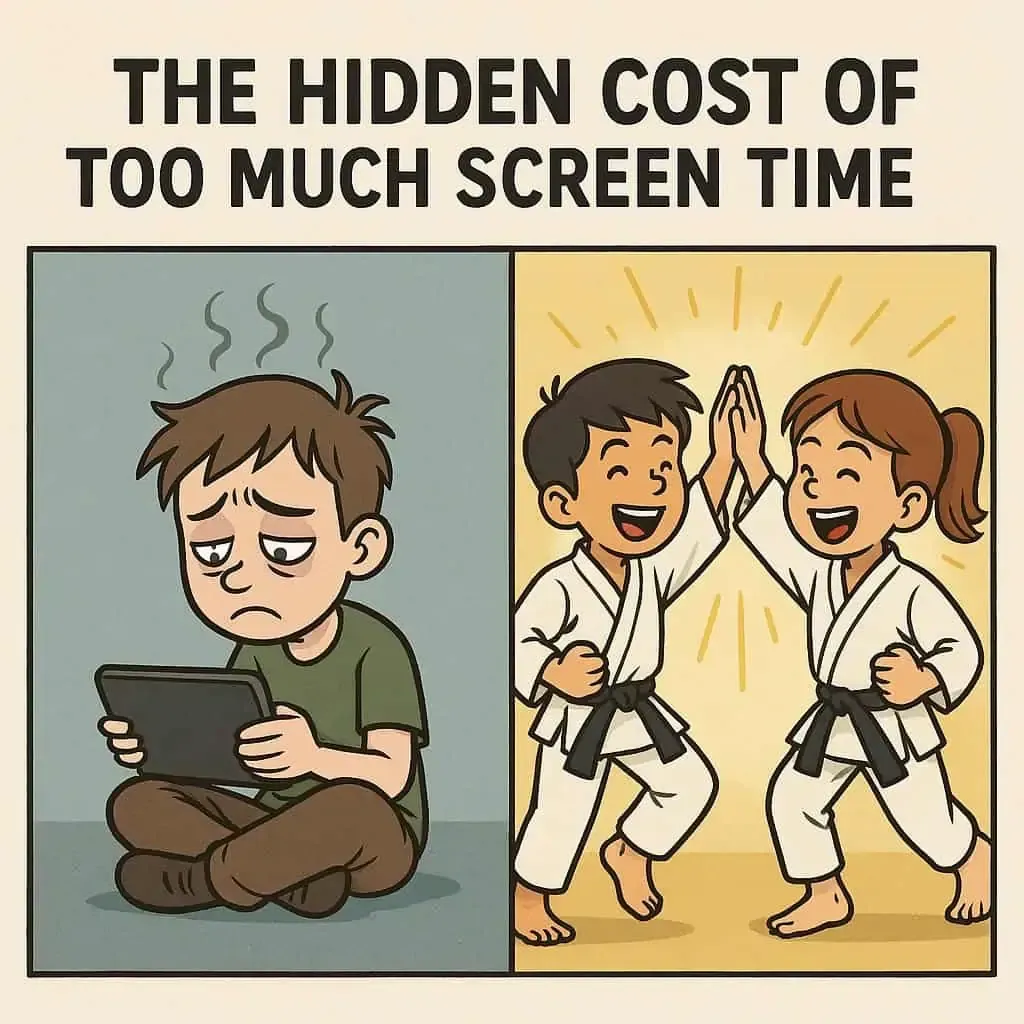
The Hidden Cost of Too Much Screen Time: Why Social & Physical Hygiene Matter and How SKILLZ Helps

Extra classes and team training help martial artists grow, build friendships, and strengthen family bonds.